
Root Canal
Root canal treatment removes infected pulp from inside a decayed or injured tooth, clearing the infection and saving the tooth from extraction where possible. It’s a routine, generally comfortable procedure under local anaesthetic, usually completed in one to two hours.
What it is and who it's for
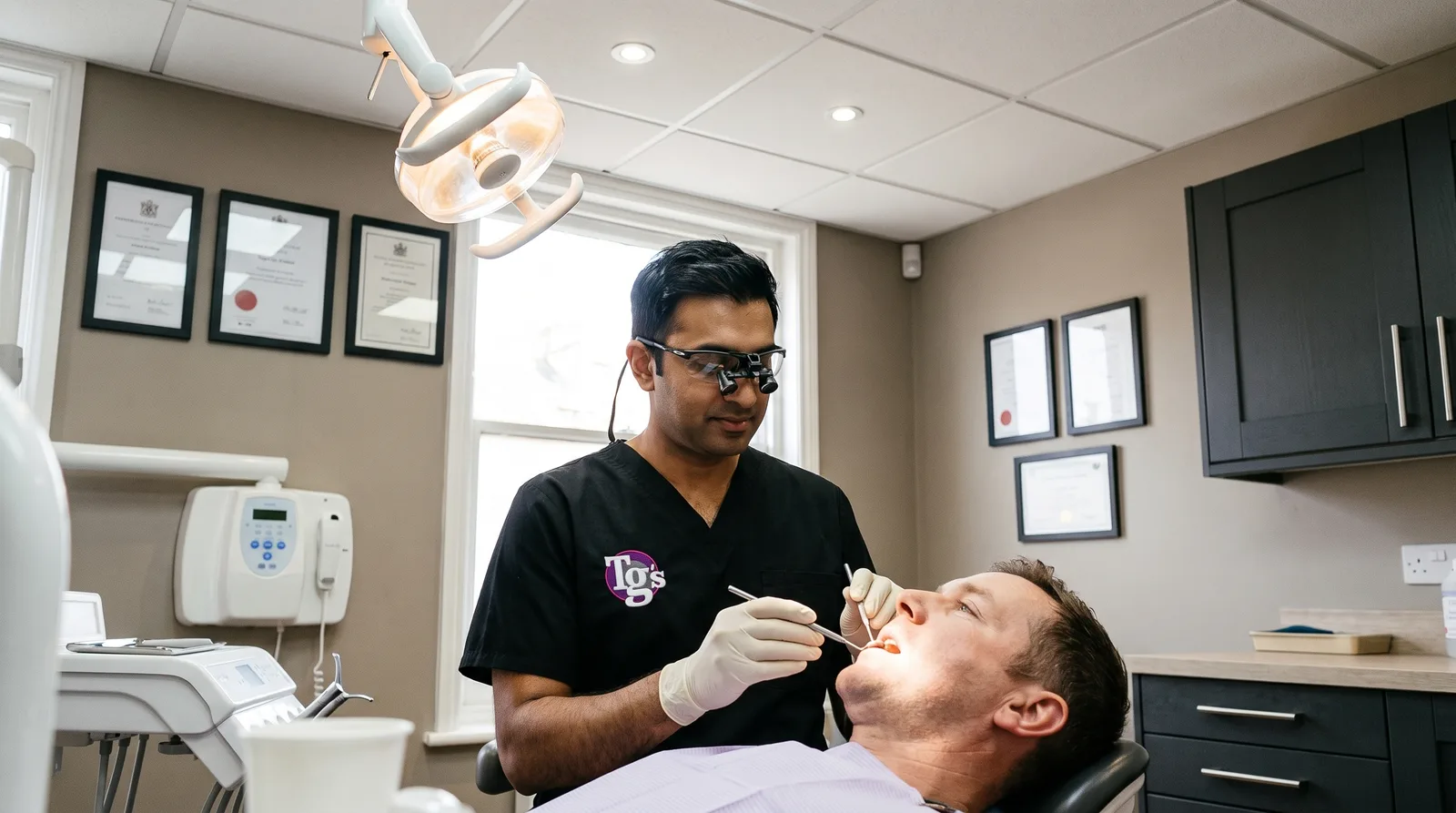
Root canal treatment (endodontics) treats infection inside a tooth caused by decay or injury to its pulp, the soft tissue, nerves and blood vessels at its centre. It suits anyone with a painful, infected or abscessed tooth where we can still save the tooth rather than remove it.
What it can help with
- A toothache
- A tooth infection
- A decaying tooth
- An abscessed tooth
- Severe tooth sensitivity
How treatment works
-
Root canal treatment
Under local anaesthetic, we remove the infected pulp and thoroughly clean the inside of the tooth to clear the infection, then fill and seal it.
-
Fitting a crown or cap
Once the tooth has healed, we often recommend a crown or cap on top. It protects the tooth and restores its appearance.
What you can expect
- Relieves the pain of an infected or inflamed tooth
- Stops the infection spreading further
- Saves the natural tooth from extraction where possible
- A crown afterwards protects the tooth for the long term
Cost & finance
| Treatment | From | Member price | Notes |
|---|---|---|---|
| Incisor / canine root canal | £645 | £516 | Member price is lower. See Membership & Pricing. |
| Premolar root canal | £695 | £556 | Member price is lower. See Membership & Pricing. |
| Molar root canal | £785 | £628 | Member price is lower. See Membership & Pricing. |
Membership plans cover routine care and cut 20% off most other treatment. See Membership & Pricing to find the right plan.
Where you can have this done
Common questions
Is a root canal painful?
Root canal treatment is not usually a painful procedure. The nerve involved is already dead, and modern technique and local anaesthetic make it far more comfortable than its reputation suggests.
How long does root canal treatment take?
It depends on the complexity of the case and the number of teeth involved, but a root canal generally takes between one and two hours, sometimes over more than one visit.
What should I expect after a root canal?
After a root canal, you may experience some soreness and sensitivity for a few days, and we recommend you avoid chewing on the affected tooth until it has been fully healed.
What happens after the infection has cleared?
A root-treated tooth can last with proper oral hygiene and regular check-ups. We often recommend a crown fitted on top to give the tooth the best long-term outlook.
What if the tooth can’t be saved?
If the infection is too advanced to save the tooth, we can discuss replacement options such as a denture, bridge or dental implant.
How can you help me if I have dental anxiety?
Dental anxiety is very common, and we’ve worked with many nervous and anxious patients through root canal treatment. We’ll make sure you feel comfortable at every visit and explain each step as we go. For more on how we support anxious patients, see our nervous patients page.
Related treatments
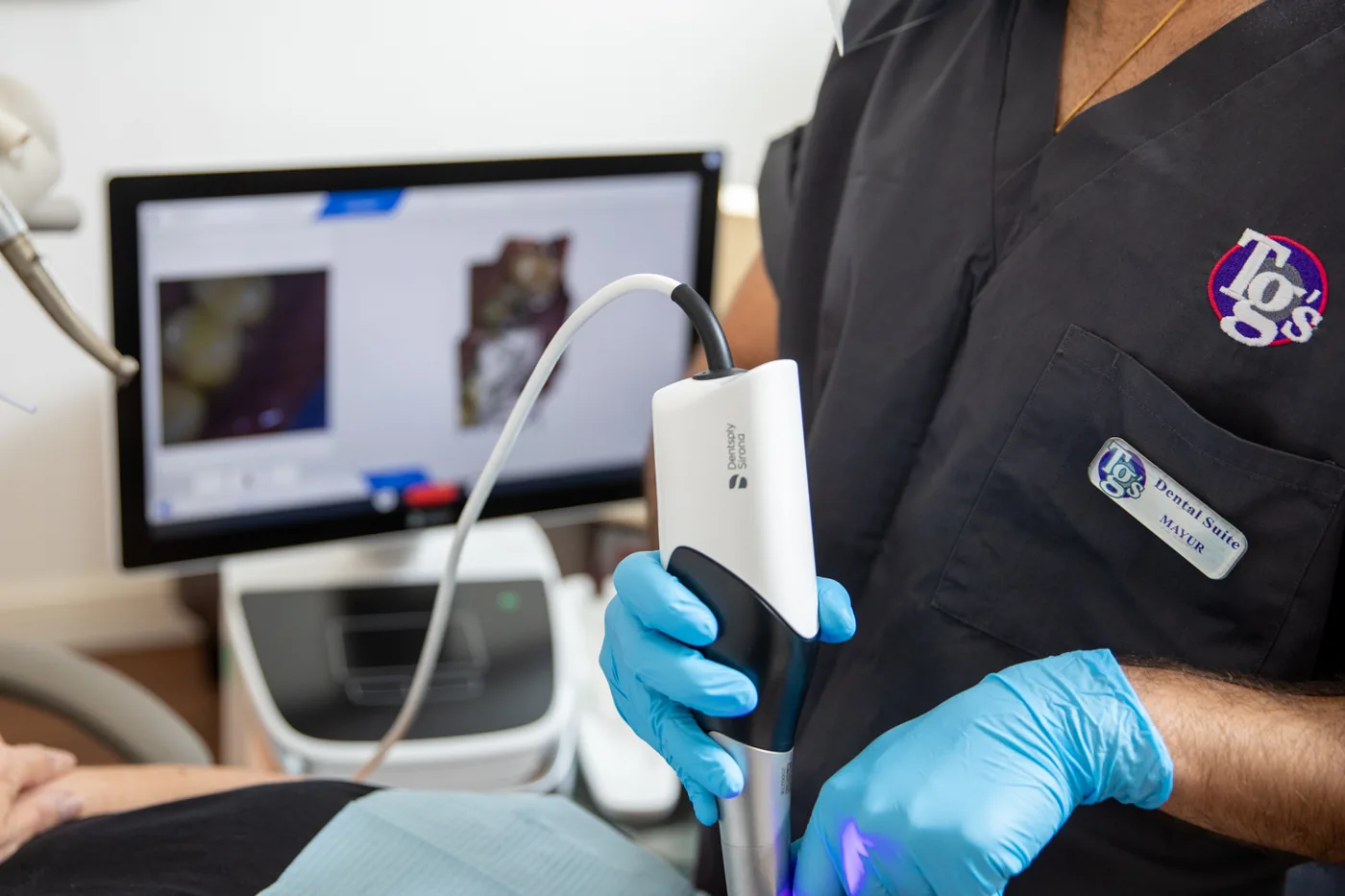
CEREC Same-Day Restorations
Your restoration designed, made and fitted in one visit.
From £795 same-day ceramic inlay, onlay or crown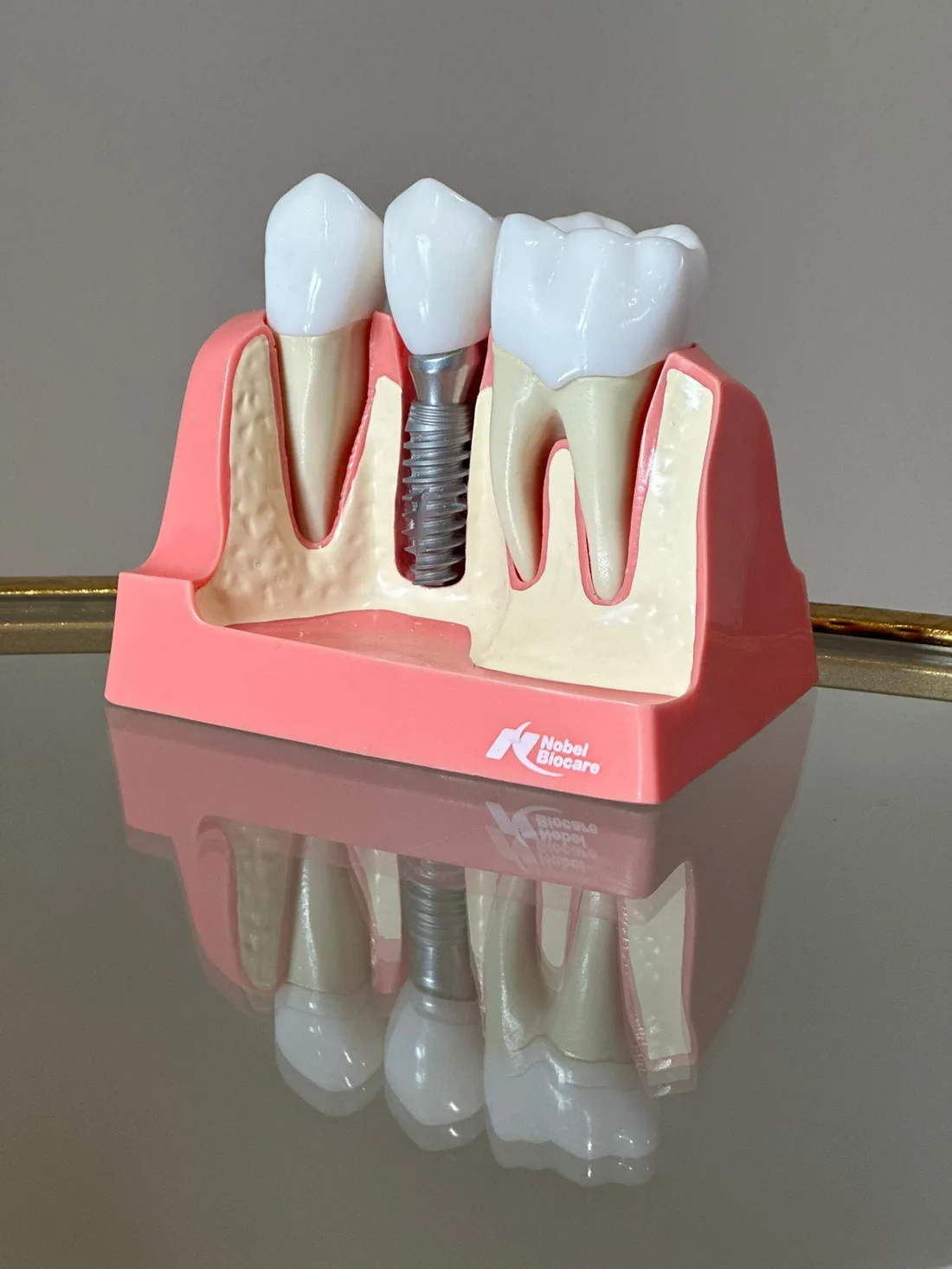
Dental Implants
A fixed replacement that looks and works like your own tooth.
From £4,000 one tooth (excludes bone grafting) Same-day
 Emergency Dentist
Urgent care when a tooth cannot wait.
From £120 emergency appointment, regular attendee